
20 Day Uganda Bird Watching Safari
Safari overview
Wild places, thoughtfully connected
Each day is shaped around the rhythm of the landscape, with time for wildlife, people and the small moments that make a safari memorable.
Itinerary
Itinerary
Day 1
Day 1
Arrival at Entebbe Intenational Airport
Upon arrival at Entebbe International Airport, you will be received by our driver/guide who will transfer you to your hotel for dinner and overnight.
Day 2
Day 2
Uganda Wildlife Educatoin Centre (UWEC), Botanical Gardens
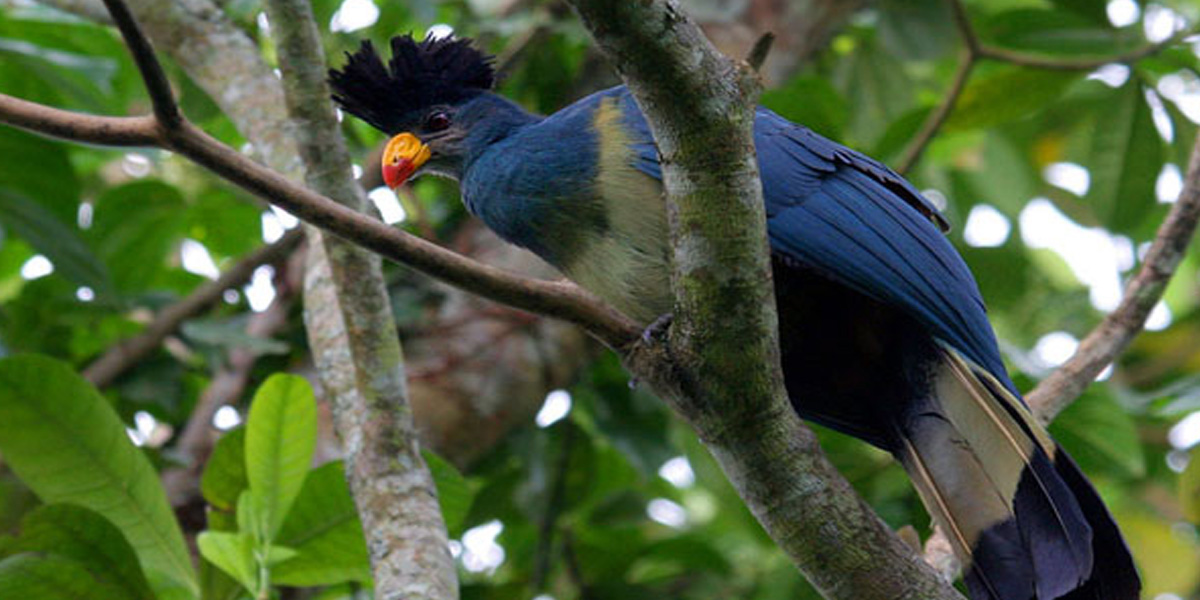
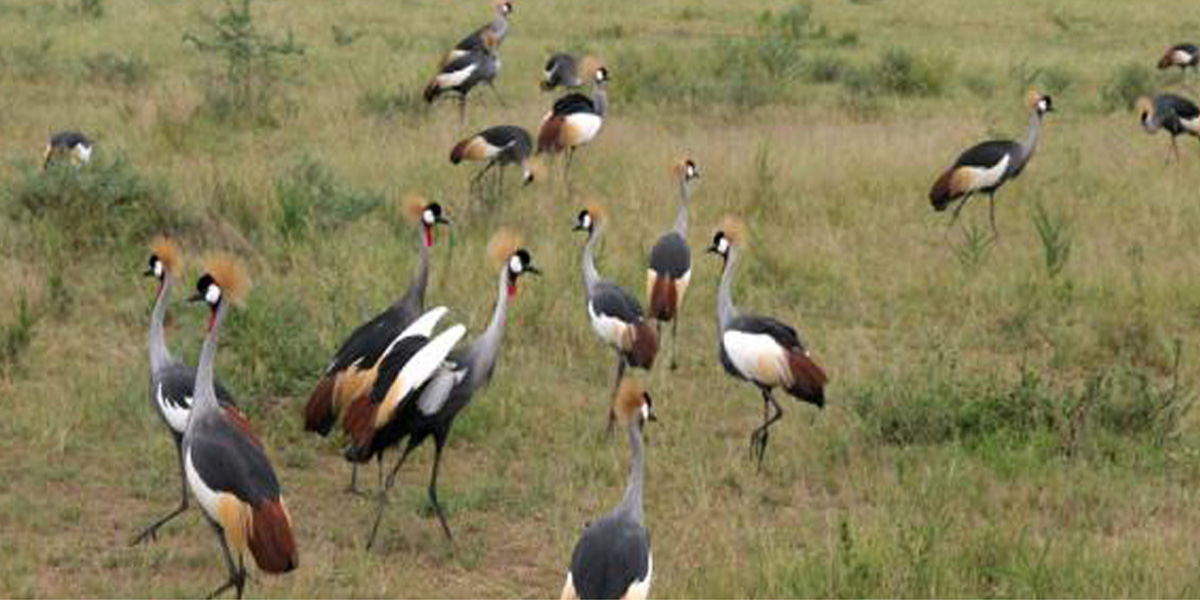
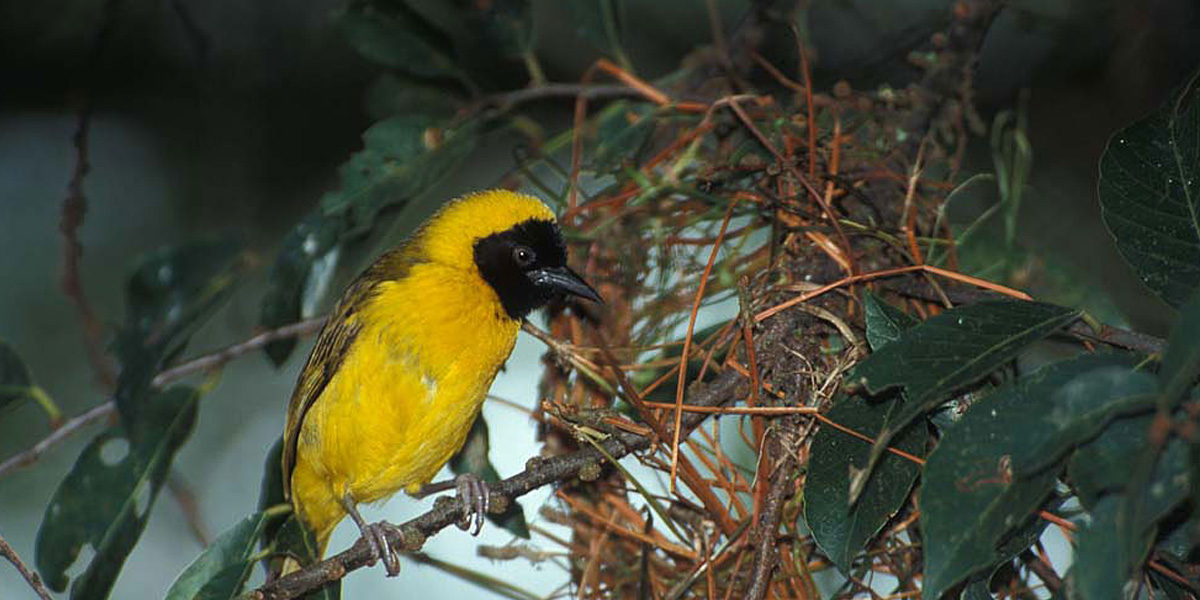
After your breakfast, you will be picked and transferred to Entebbe. You will then go UWEC for bird watching. UWEC originally started in the 1920s as an animal orphanage for orphaned animals or inhjured or rescued from illegal wildlife activities. It however grew and became a show facility of variety flora and fauna. Bird species to expect include; pelicans, ostrich, parrots, crowned cranes, weaver birds such as northern masked weaver, the orange weaver, black necked baglafect, the northern masked weaver and the shoebill stork.Take a lunch break. Thereafter, continue and go to Entebbe botanical gardens for another round of bird watching. Be on the lookout for the yellow-throated leaf love, the great blue Turaco, Ross’ Turaco, the black and white casqued hornbill, the pied hornbill. Yellow backed weaver, orange weaver, brown-throated weaver, and great reed warbler, sedge warbler and the fish eagle.
Day 3
Day 3
Mabira forest
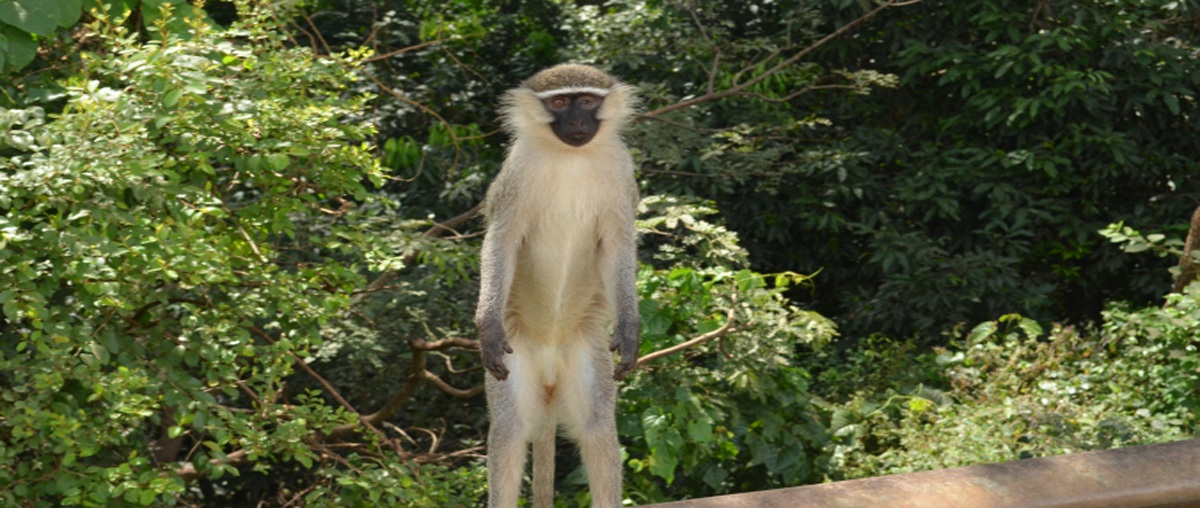
After your early morning breakfast, you will drive to Mabira Forest with stops enroute to see the marabou stork, black kite and the hooded vulture. Mabira forest reserve is the largest block of moist semi-deciduous forest remaining in central Uganda and is home to about 300 different bird species.You will stopover at Namawojolo food market and buy loasted chicken, gonja and other snacks amd enjoy. Birds to lookout for include; the Nahans Francolin, the blue headed Crested Fly Catcher, leaf love, Grey spotted wood pecker, Black shouldered Night Jar, Violet beaked starting, Capuchin Babbler, Yellow rumped Tinker bird and the Grey long bill. Lunch break. After lunch, resume birding till evening. You could also spot monkeys.
Day 4
Day 4
Budongo forest
After an early morning breakfast, you will be transfererd to Budongo Forest. This is one of the most extensive forests in East Africa and is famous for it’s various bird species and chimpanzees. Lunch enroute. Uganda Safari Species to look out for include the yellow-footed flycatcher, black shouldered nightjar, and African wood orol; the white crested Turaco, piping horn bill.
Day 5
Day 5
Budongo forest
After an early breakfast, resume birding in Busingiro section and lookout for bird species such as the spotted greenbul, lemon-bellied crombec, the banded snake eagle, black bishop, Ituri Batis, the green-breasted pitta, chocolate backed kingfisher, cassins hawk eagle, black eared ground thrush, Grey headed oliveback and the shinning blue kingfishers.
Day 6
Day 6
;;Murchison falls National Park
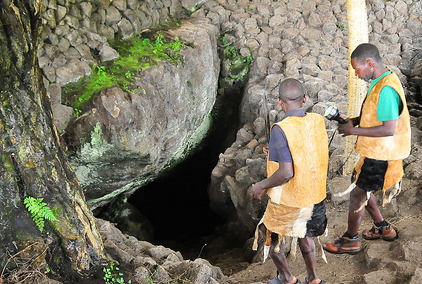
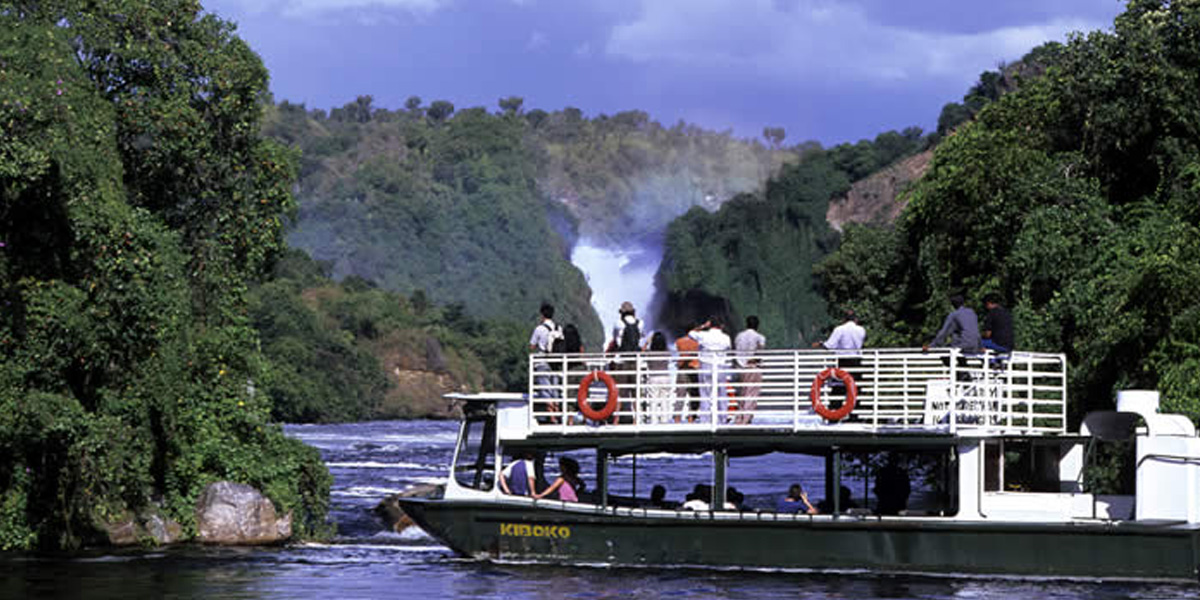
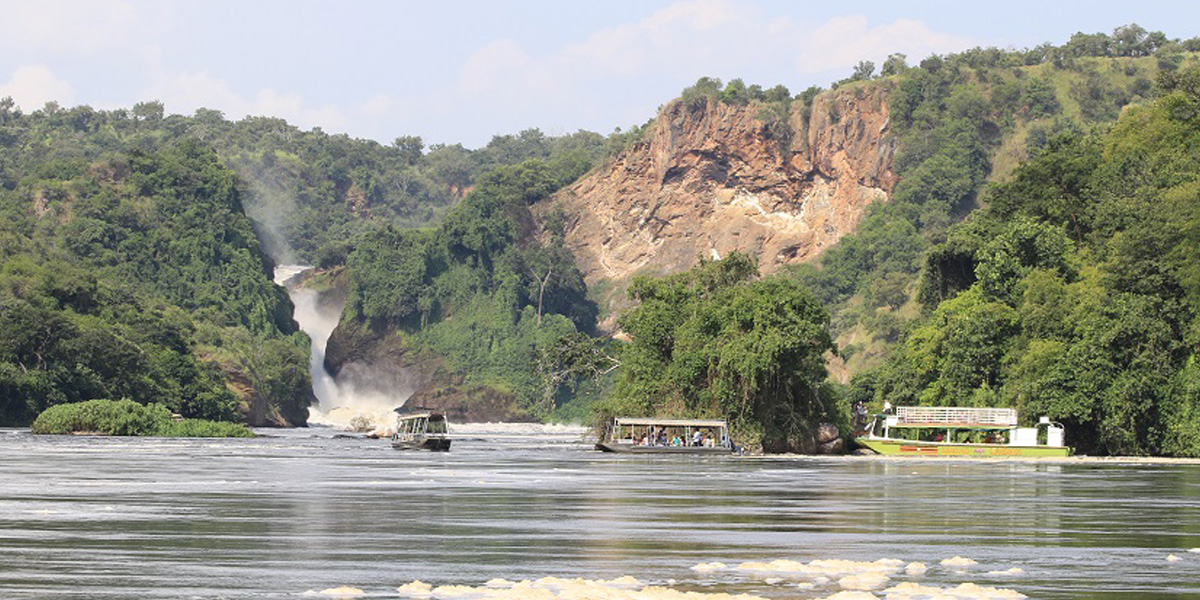
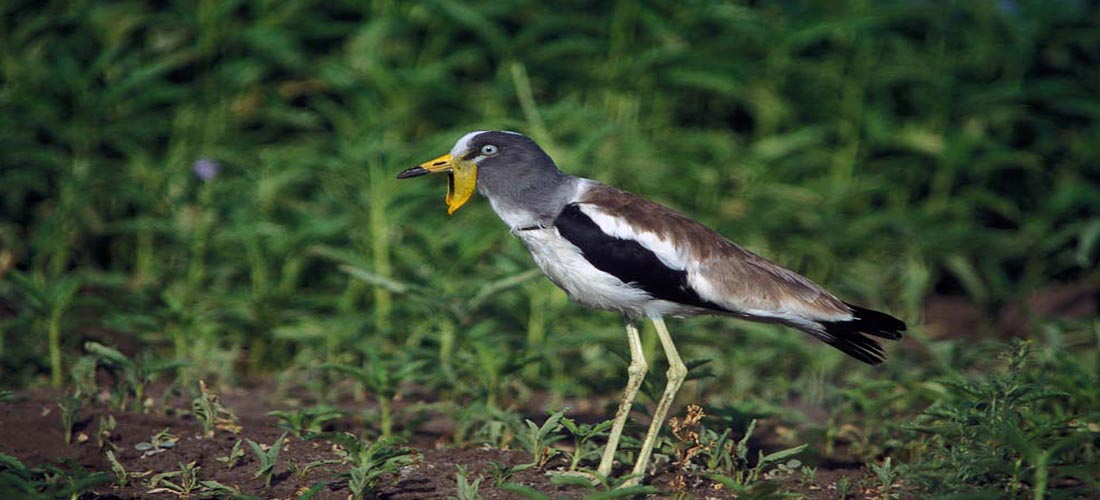
After an morning early breakfast, you will drive to the “top of the falls”. This is the place where the mighty 50-meter wide River Nile forces its way through a seven meter cleft in the rocks to drop 45 meters. Be on the lookout for the Rock Pratincole that is common at the top of the falls. Lunch break. After lunch, you will take a launch cruise from Paraa to the bottom of the falls. Birds to expect include; the rare shoebill stork, the saddle bill stork, the hornbill, red throated bee-eater, the African skimmer, fulvous whistling ducks, wattled plover, Egyptian goose, Goliath heron, lesser Jacana and the Cormorants.
Day 7
Day 7
Murchison falls – Kibale National Park
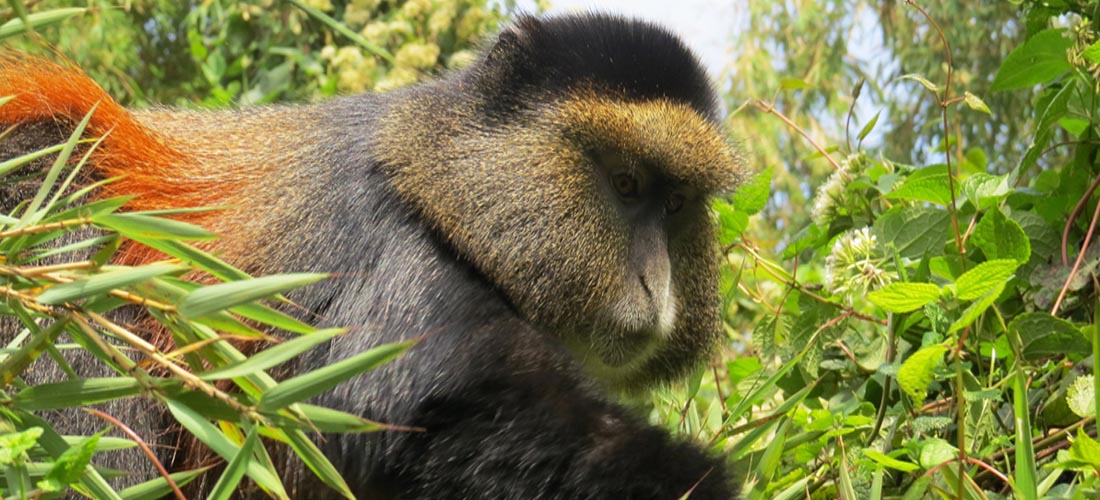
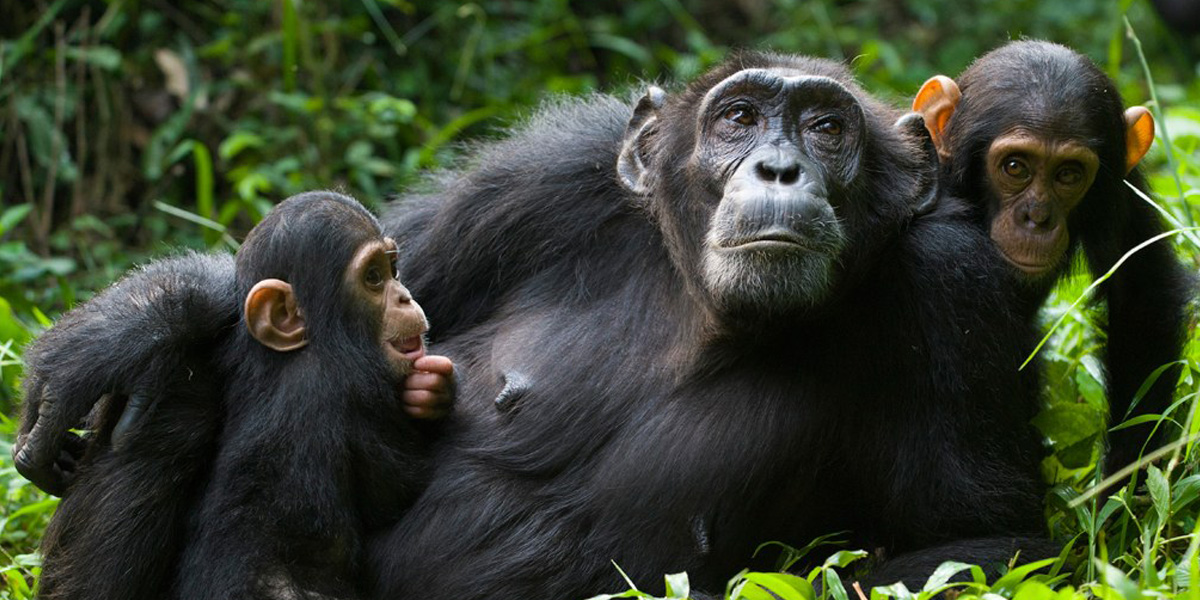
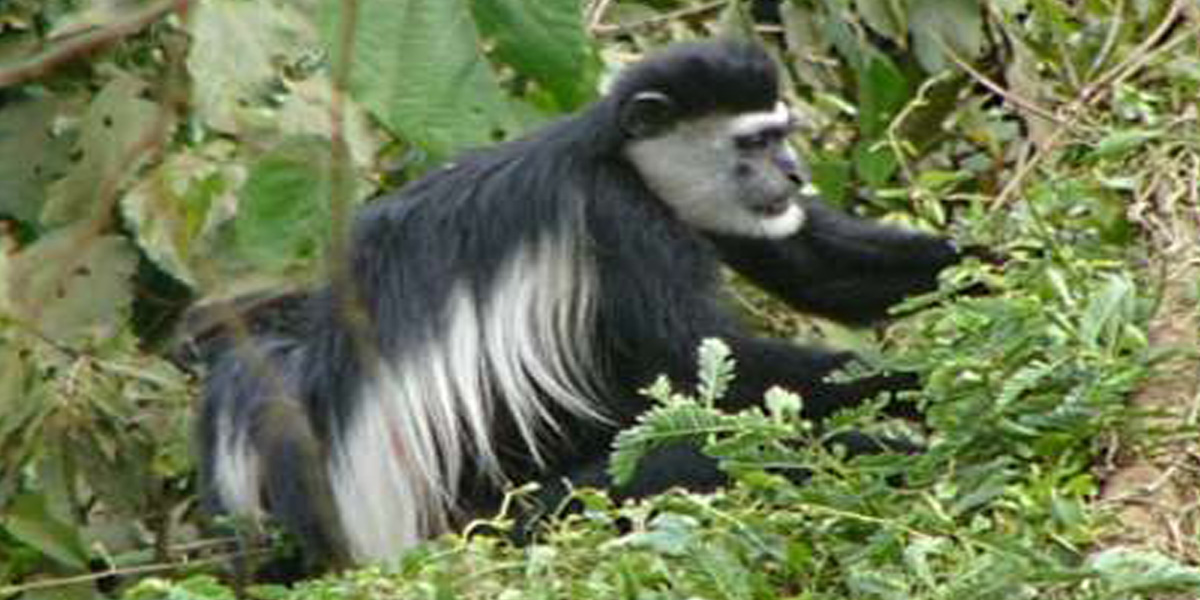
After an early morning breakfast, you will be transferred to Kibale National Park. This park occupies undulating terrain on the main Uganda plateau slightly tilted to the south and is drained by the Dura and Mpanga rivers that flow in a southerly direction into lake George. It is home to the largest number of the endangered Chimpanzee, I’hoests and colobus monkeys.The park has over 325 recorded bird species which include the African broadbill, the white winged warbler and the Blue Headed coucal..
Day 8
Day 8
Kibale National Park
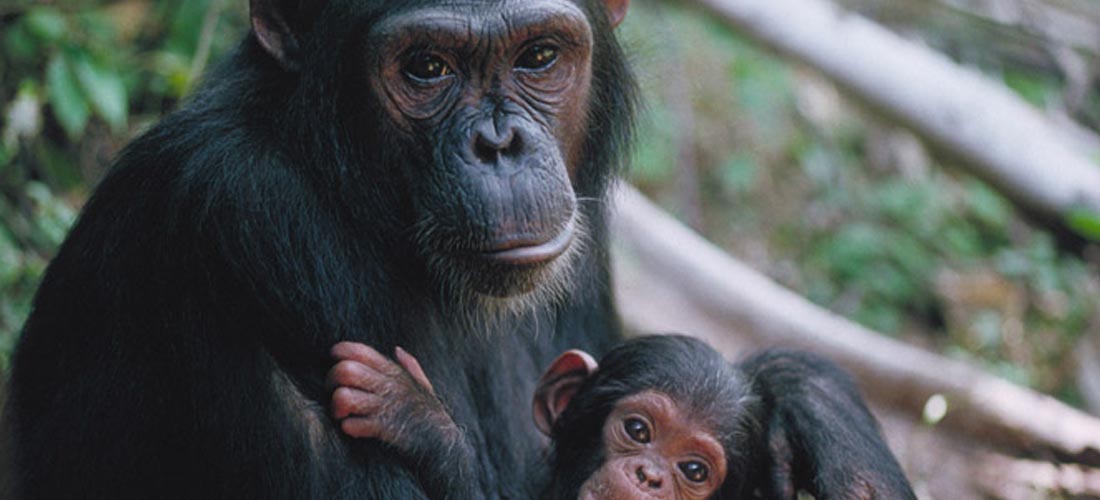
Wake up early and have your early morning breakfast. Therafter, go for birding in the forest. Birds to lookout for include; the leaf love, willcocks honey guide, the joyful green bul, the superb black bellied seed cracker, and the Bi coloured Mannikin, the yellow rumped tinker bird and yellow spotted nicator. You could also see different butterfly species, olive baboons, mangabey, the bush pig and the giant forest hog.
Day 9
Day 9
Semuliki National Park
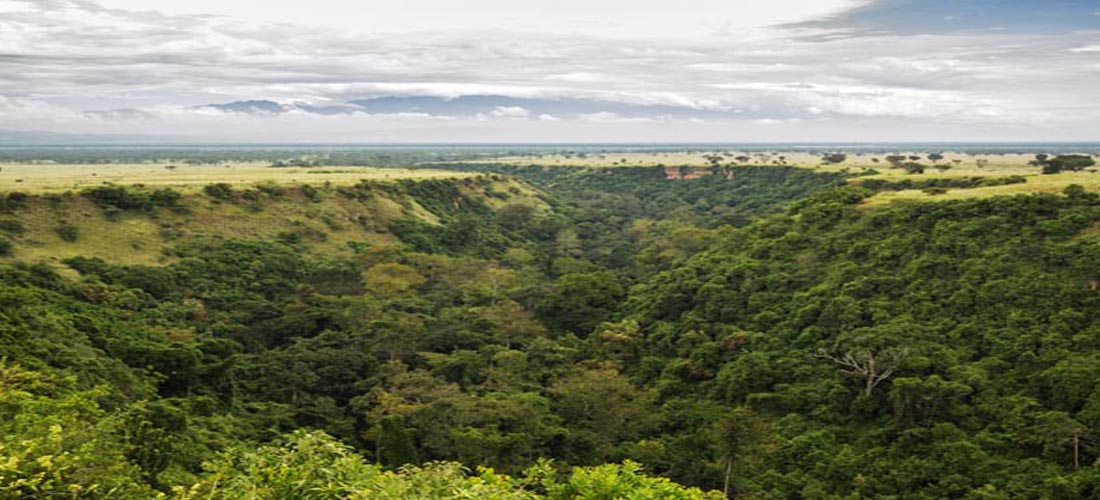
After an early breakfast, you will drive to Semuliki National Park. This is the only park in Uganda primarily made up of tropical lowland forest and is characterized by more diverse vegetation than found in other tropical forests. Semuliki forest is close to the Mount Rwenzori ranges and river Semuliki which meanders along the western boarder down to Lake Albert is surrounded by a swamp where various bird species can be seen. Lunch break. After your lunch, continue with an evening game drive where you will encounter various bird species that include the Dwarf Hornbill, Capuchin Babbler, Spot breasted Ibis, Blue Headed Crested fly catcher, Northern Bearded Scrub robin and the white thighed hornbill.
Day 10
Day 10
Semuliki National Park
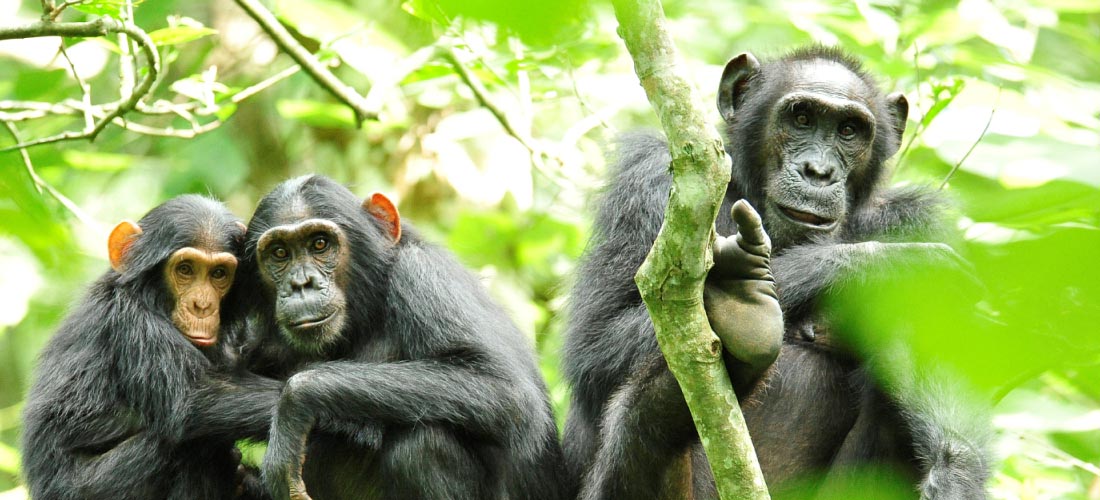
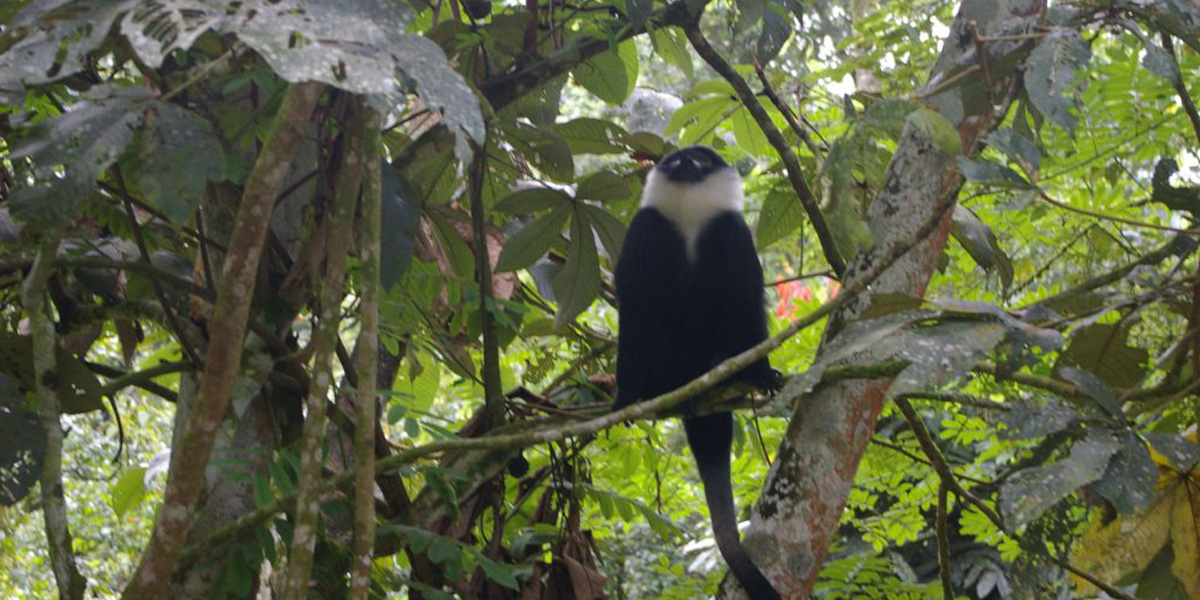
After an early breakfast go for a whole day birding in the forest. Be on the lookout for bird species such as the Hartlaubs marsh widow bird, pied hornbill, wattled black hornbill, white-naped pigeon, banded harrier eagle, Papyrus gonolek, Orange weaver. Other wildlife to lookout for include the African Giant Swallow tail, Butterflies, Buffaloes and primates such as baboons, black and white colobus monkeys.
Day 11
Day 11
Semuliki – Queen Elizabeth National Park
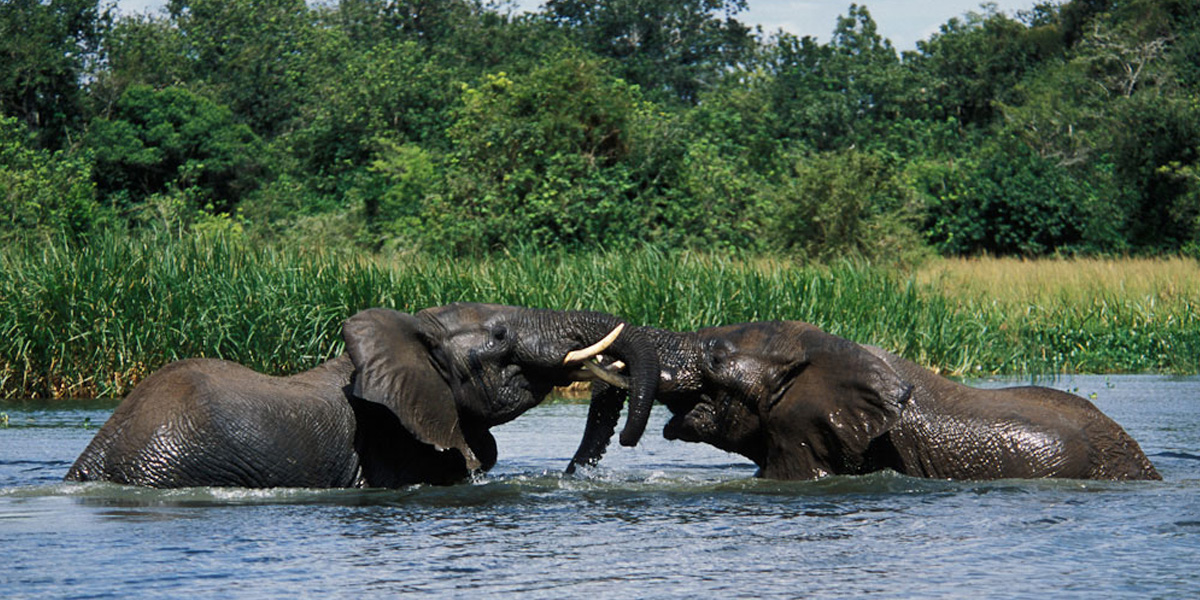
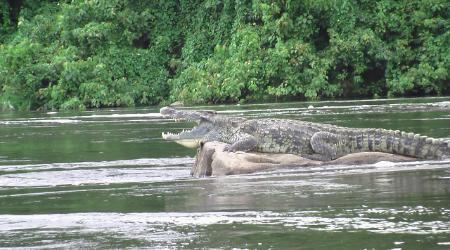
After breakfast, you will drive to Queen Elizabeth National Park. The park has over 600 recorded bird species making it a real birders paradise. Queen Elizabeth is one of the richest and best managed parks in Africa and it supports a remarkable density of flora and fauna. Lunch break. After lunch, go for a launch cruise on Kazinga channel which connects Lakes Edward and George. This waterway is a birders Paradise and birds to lookout for include the Great Snipe, Papyrus Gonolek, fish Eagles, Pallid Harrier, Gull Billed Tern, Lesser Kestrel and the rare shoebill stork. Other wildlife to expect include the comical warthog, schools of hippos, Monitor lizards and crocodiles.
Day 12
Day 12
Queen Elizabeth National Park
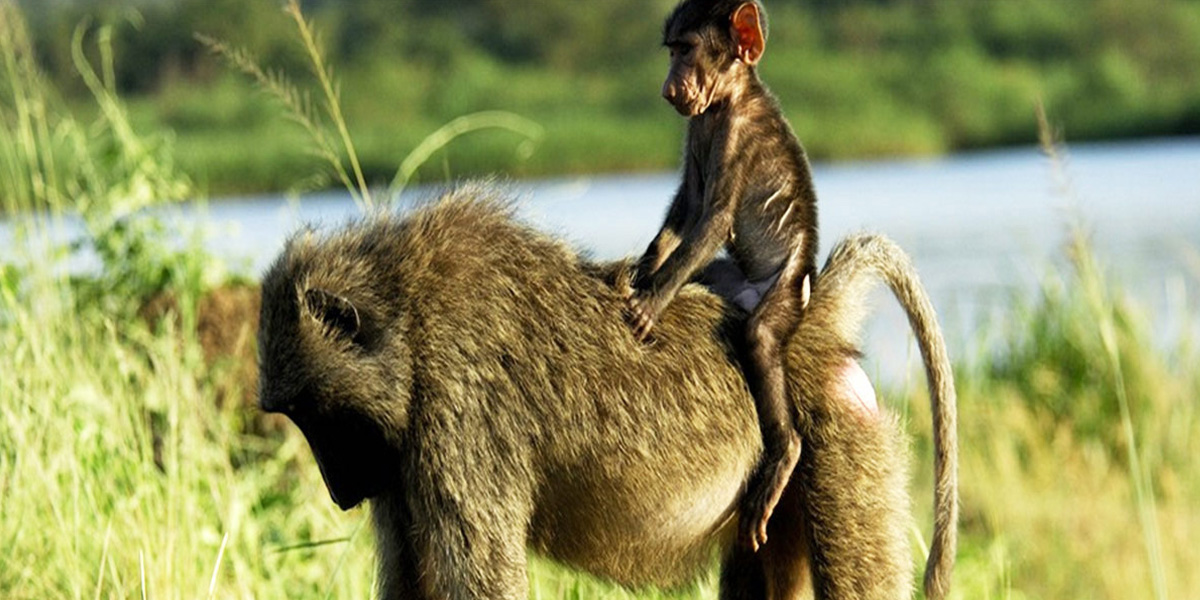
After an early breakfast, you will drive to Maramagambo forest for a nature walk in search for birds. Be on the lookout for bird species such as the brown eared Wood pecker, fawn breasted Waxbill, Sulphur breasted bush shrike, dark capped yellow warbler, bat hawks, the red headed blue bill, the African Finfoot and the Eurasian golden oriole. On a lucky day, white colobus monkeys could be spotted. Have your picnic lunch then drive back to Mweya with stops to see baboons.
Day 13
Day 13
Queen Elizabeth – Bwindi Impenetrable National Park
Wake up very earlyand go for an early morning game drive to catch up with the early risers. The drive will take you through the Kasenyi track and Kikorongo crater area. Be on the lookout for the Great White Pelican, the lesser flamingo, the African skimmer, Pallid Harrier, Black winged Pratincole, the Martial Eagle, Rupell’s Griffon vulture and weavers. Drive to Bwindi with lunch enroute. Bwindi Impenetrable National Park is home of the rare Mountain Gorillas, the blue and red tailed monkeys and various bird species.
Day 14
Day 14
Bwindi Impenetrable National Park – Gorilla tracking
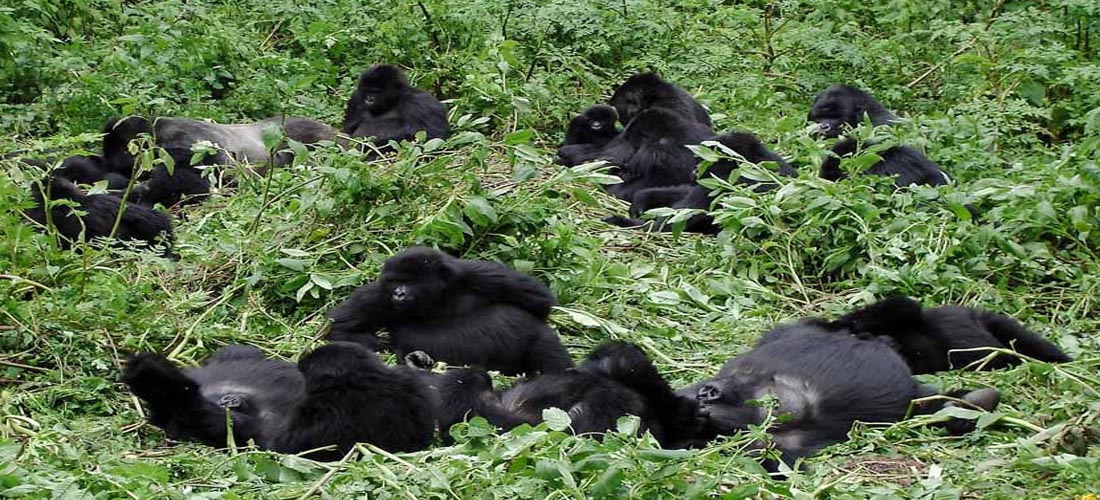
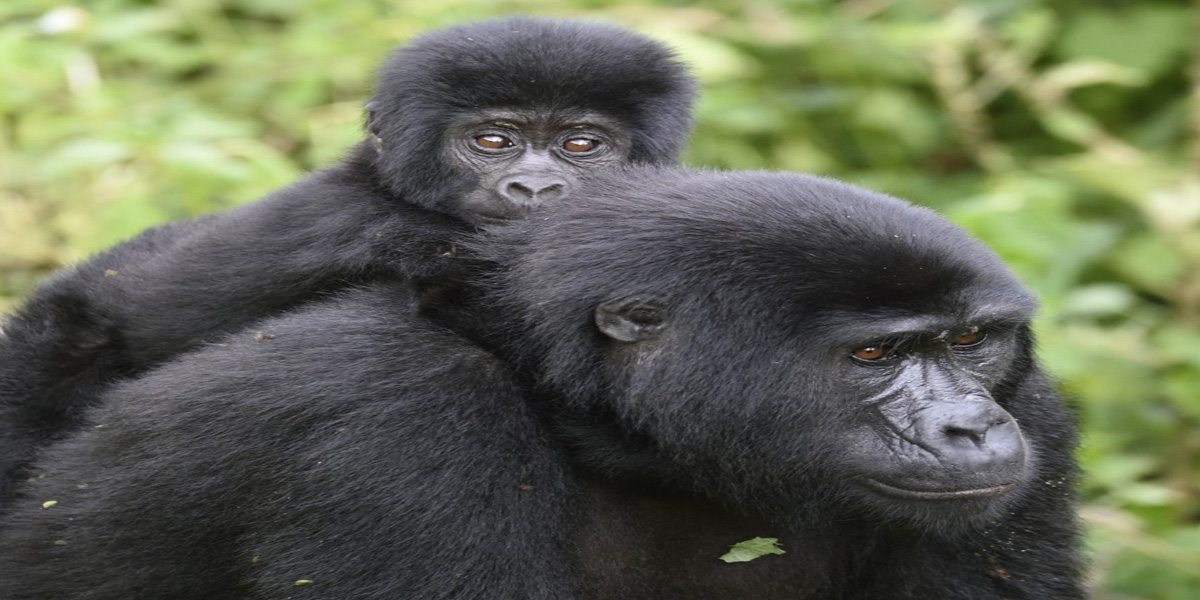
Begin your day with an early breakfast. Therafter, you will set off for gorilla tracking. The activity starts at 8:00am with briefing by the UWA team who will take you through all the dos and donts of gorilla tracking in Bwindi. Rememberr to carry your rain jacket, jungle boots, drinking water, snacks, lunch boxes and all gear necessary for gorilla tracking. You will be allowed up to 1 hour with the gorillas as they go about their lives. Each encounter is unique and has its own rewards, but you will most likely enjoy the close view of adults feeding, grooming and resting as the youngsters play and swing on vines in delightfully playful display.
Day 15
Day 15
Bwindi Impenetrable National Park
After breakfast take a guided forest walk in the Bwindi Impenetrable Forest and be on the lookout for birds such as the Great Blue Turaco, Mackinons Grey Shrike, Black Roughing, Lunch break. Thereafter, transfer to Mubwindi Swamp and look out for the African slender billed starlings, White bellied robin chat, yellow eyed black fly catcher.
Day 16
Day 16
Lake Bunyonyi
After breakfast, you will be transferred to Lake Bunyonyi. The lake derives its name from the word “Binyonyi” which means big birds. It features 29 Islands of varying size and shape as well as cultural significance. The lake is surrounded by heavily cultivated terraced hills. Lunch at Bunyonyi Over land Camp. After lunch, you will take a boat trip to the islands in search for birds.
Day 17
Day 17
Lake Mburo National Park
After breakfast,you will transfer to Lake Mburo National Park. The drive takes you through the Kigezi highlands with the beautifull ever green terraced hills. Lunch break in Mbarara. After lunch, proceed to L. Mburo National Park. You will then go for a late afternoon game drive along the zebra track. Be on the lookout for the Verreaux’s Eagle owl, Red-faced Barbet, African wattled plover, black bellied bustard, Blue eared glossy starling and the Temmricks courser. Also lookout for the burchell’s zebra and the comical warthogs.
Day 18
Day 18
Lake Mburo Natoinal Park
After an early breakfast go for a guided Nature Walk. While walkinig, look out for the Bare faced Go away Bird, Lead coloured flycatcher, African Drongo, and the Yellow billed ox pecker. Lunch break. After lunch, you will goo for an afternoon boat ride on Lake Mburo. While on the boat, expect to see the African Finfoot, the red headed love bird, handsome Francolin, rare shoebill stork, Little Egret, water thick knee, papyrus gonolek, greater and lesser swamp warbler, the white winged warbler, green capped Eremomela, carmine bee eaters, Malachite and Pied Pink backed Pelican.
Day 19
Day 19
Kampala
After your breakfast, return to Kampala. As you drive through the savanna grasslands of Ankole, take some time and look out for the famous Ankole long horned cattle. You will stopover at the equator for phorography and souvenirs. You could also do an experiment to prove that the equator exists. You will also stop at Mpambire drum makers or at any other crafts displays along the road and buy souvenirs.
Day 20
Day 20
Entebbe Inteernational Airport
Depending on your flight details, you will be transferred to Entebbe International Airport for your flight back home. .
Safari gallery
Bring the landscape into view
Make it personal
Ready to plan your safari?
Tell us what you want to see, how you like to travel and the time you have. We will shape the details around you.
Enquire about this safari